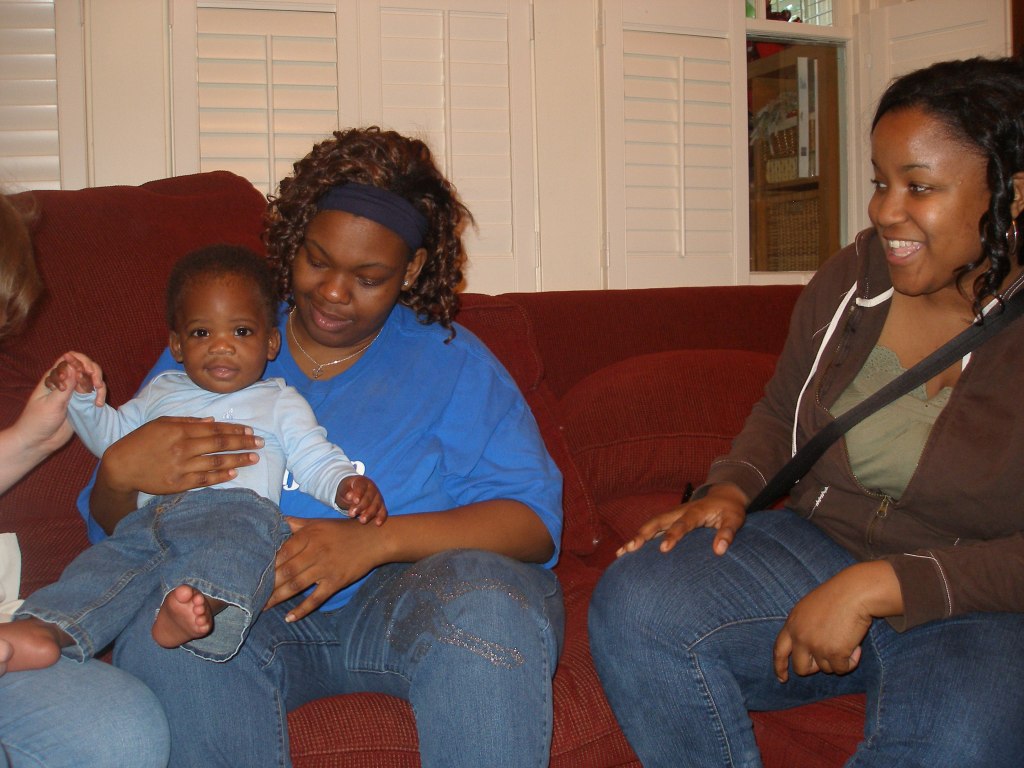
Adapting to change

Written by Stephanie Lundeen

I want to kick off this new year by thanking you, our readers. I’ve heard from several of you in the past few weeks, and your encouragement and appreciation rekindled the flame that had nearly burned out. Something about 2021 was deeply exhausting, taking its toll in unexpected ways. Enter that above-mentioned encouragement, and Danelle and I are pledging to post regularly (the goal is to post weekly) throughout 2022.

The Tolt river

As we flipped the calendar to 2022, I reflected on how little has changed in our lives this year–other than the surprise snowstorms that brought a wonderful hush to the landscape and our lives between Christmas and New Year’s. But the rhythms of work and school and basketball practices go on as before.

Such was not the case a mere four years ago, when we turned our lives on end by moving out to the Seattle area after fifteen years in Chicagoland. Back then, we pulled ourselves up by the roots, stretching and straining several relationships in the process. And, perhaps inevitably, some of them broke.

As the kids adjusted to a new school and I searched for work, we ached for the friends and family who could no longer join us over the holidays or simply drop by for an evening.
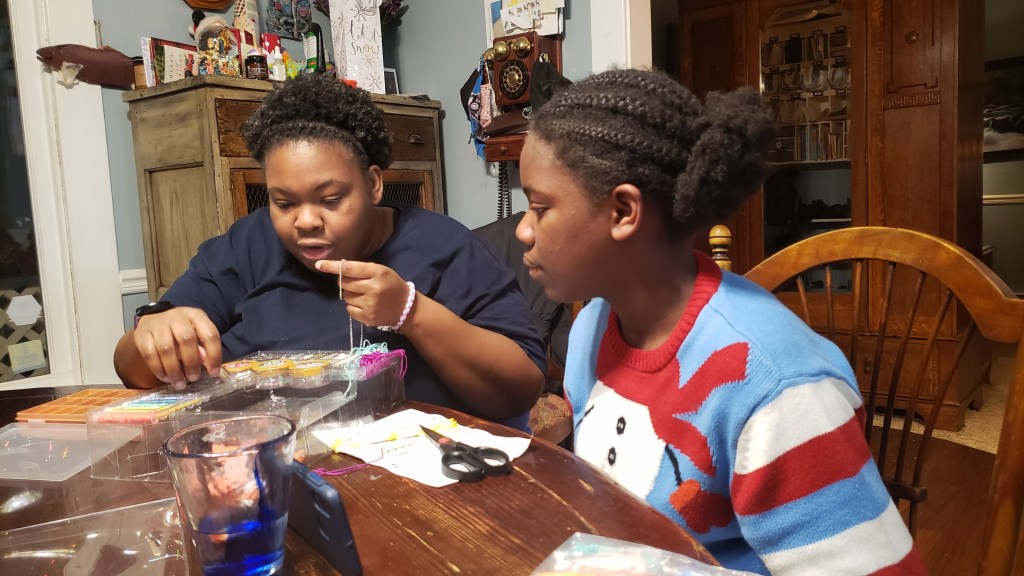
Making bracelets during the storms last week

The relationship that we were most keen to maintain was with Danelle. We had established a weekly cadence of seeing her: she would head up after work on Wednesdays (or was it Thursdays?) and–rather than make the two-hour trip back home–would usually stay overnight and take the train to work the following day. We’d get together on weekends too, for games or celebrations. She had worked hard to have a good relationship with each of the kids–including Dawn. I agonized over jeopardizing that closeness. What would it mean for the kids, especially the twins?

And what would it mean for Danelle? She was going through a lot at the time, and I felt so awful that we couldn’t be a support to her. We convinced her to come visit over the kids’ spring break, and the trip went by way too fast. We managed to go back to Chicago a few months later, in August, and once again the trip went by too fast.

I also took the twins to Wakandacon!

During that first year apart, we tried to set up a regular video call with the kids, but it never quite worked out. Either something would come up for one of us, the internet wouldn’t work, or the kids simply wouldn’t cooperate. Which is maybe simply what comes of expecting kids to act like grown-ups.

Case in point?

Fortunately, my sister introduced me to Marco Polo, an app that let the kids and Danelle send video messages to each other. The kids would be silly and overdo it with emojis and filters, but at least they were communicating! I love, too, that it gives them a space together, without me having to mediate. And it continues to give Danelle’s mom a chance to read books to her grandchildren!

For the next three years, we got together in person as much as we could–which usually involved Danelle coming out to visit–and we used Marco Polo and phone calls. It never quite took the place of having Danelle over once or twice a week, but it was definitely the next best thing.
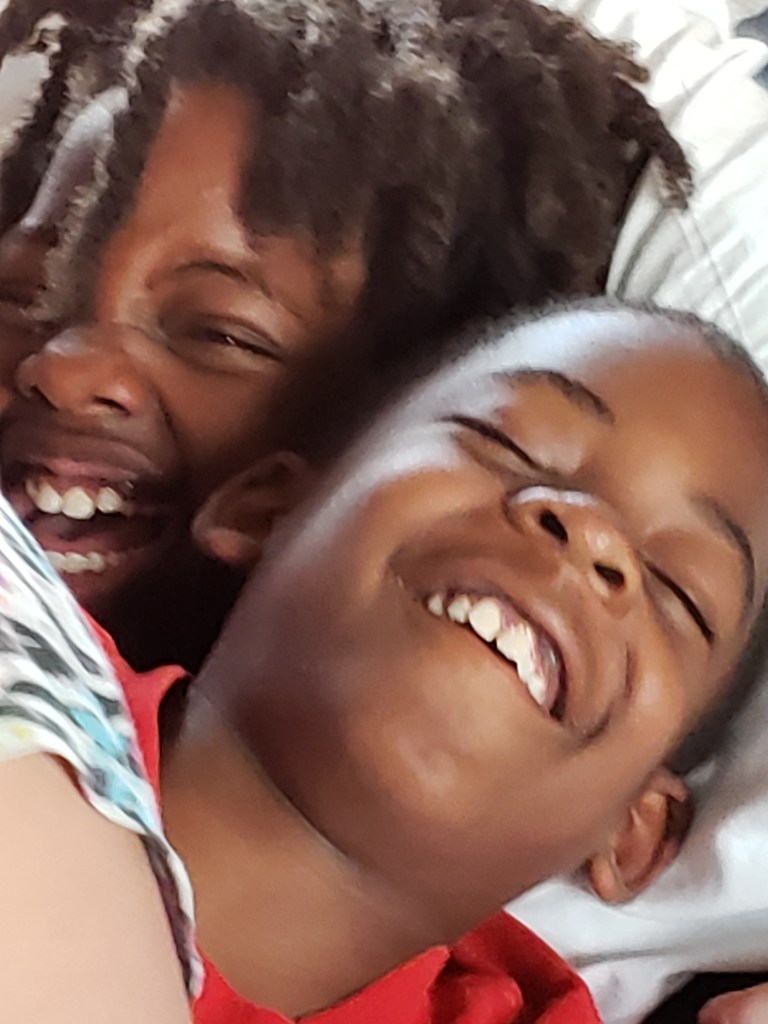
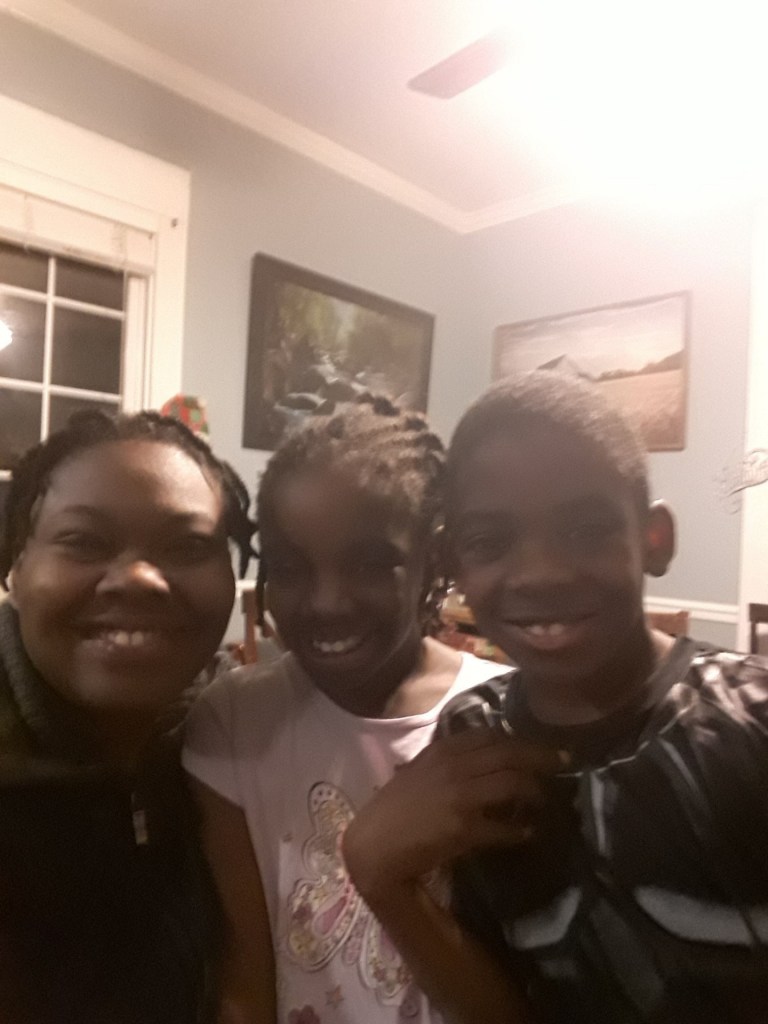
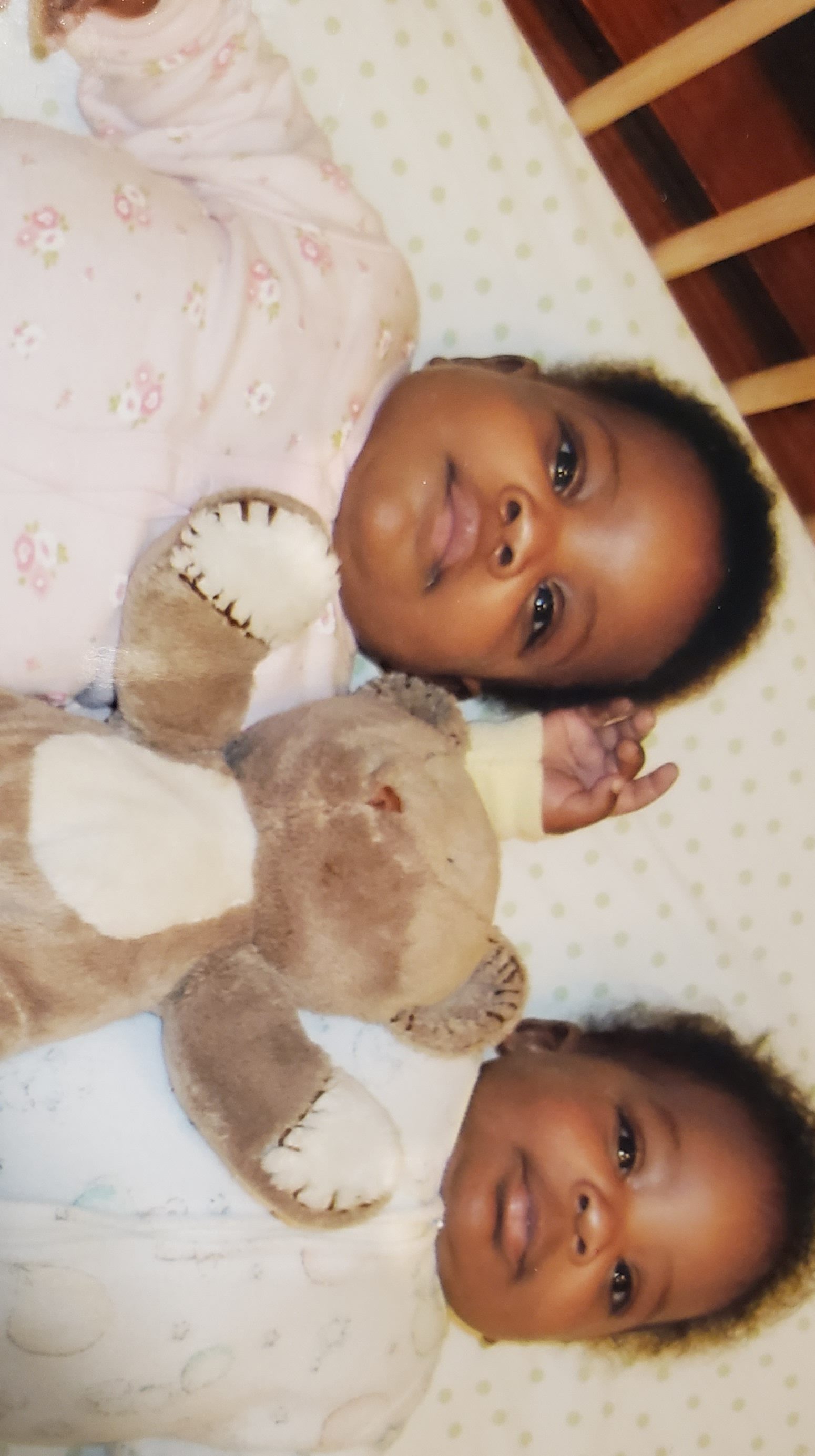
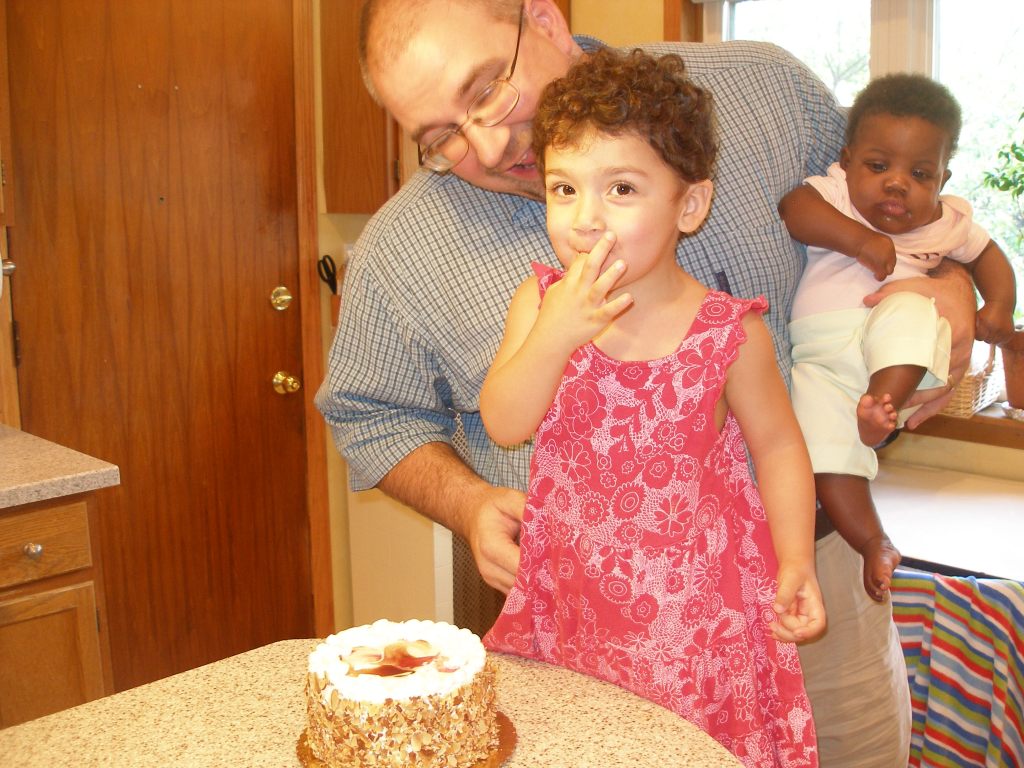
Because who could resist those smiles?

Mama’s baby, Daddy’s maybe

Mama’s baby, Daddy’s maybe — I grew up hearing this before I really knew where babies came from. It took me a long time to even try to write this post. I don’t really want to explore the circumstances of my pregnancy. It is one of the aspects of my adoption I still have some shame about. It is why I have yet to tell my father about his only biological grandchildren. I thought instead I could try to explain my feelings with a poem.

I’m pregnant

who do I tell, Who will help my fears be quelled

I’m pregnant

Who will be happy for me, There are no parties or joyful times to see

I’m pregnant

Its twins can you believe, I grip invisible hands as I grieve

I’m pregnant

Can I really do this, the mental answer of ‘No’ is crisp

I’m Pregnant

I guess I should tell someone, or all I’ll know is shame in the long run

I’m pregnant

I love them but I’m not ready, I think I will choose adoption, but my choice is unsteady

I’m pregnant

We both know this can’t be out in the open, however you act like I am broken

I’m pregnant

Are you going to help me out, your daughter calls me during labor, and I want to shout

I’m pregnant

Making decisions on my own, sitting in the hospital all alone

I was pregnant

I sit with infants much to small, I feel like I failed them as I bawl

I was pregnant

I send him photos to keep, I get no response, so I spare him a last weep

I was pregnant

It’s a wound, a pain I constantly feel, I have a wonderful adoption, but I still need grace and time to heal

“We don’t have birthfathers.”

By Stephanie. Yes, it’s been a while. Like, a long while. Partially, I’ve been so ridiculously busy that even showering has been a rare treat (which I’m only admitting because our relationship is entirely virtual). Also, wading into another weighty topic has required more strength than I’ve been able to muster: as I kept turning this topic over in my mind, I couldn’t ever seem to land on the right words. But the right words might never come, and so I am finally taking the plunge:

When she was about three years old, Dani began teaching herself the fine art of stalling at bedtime. One night, she fired off at least a half-dozen questions which I did my best to parry. I had finally taken two steps out the door when she piped up with: “What about, who is my birth dad?”

Fortunately, Dawn had my back. She may have even said, “I can tell her, Mom”—I don’t remember. Because, instead, what she did say to her baby sister was:

“We don’t have birthfathers.”

Dawn and Dani, 2014

Oops.

We had a picture of Dawn’s birthmother and half-sister right by her bed, and Danelle was making regular appearances in the twins’ lives. Danelle had good reasons why she didn’t share much about the twins’ birthfather, and Dawn’s birthfather had warrants out for his arrest. I hadn’t meant to make the kids think these men didn’t exist—I just didn’t have much to go on, less to say that was positive, and even less hope that they’d be forming relationships with the kids, so I didn’t mention them.

At all, apparently. And naturally, a kid will conclude…

My kids’ experiences are not that unusual. Birthfathers are quite often completely out of the picture, as issues around adoption complicate already-messy relationships. There is scant education or information around birthfathering–Ron was recently asked to be on a panel about the subject, but the webinar was canceled due to a lack of participants. I don’t have any expertise in this area, but I can imagine how cultural hurdles stack on top of legal ones (we had to ask the court to terminate paternal rights, as neither birthfather signed the papers). We can send photos and letters to Dawn’s birthmom, but we have no way to locate her birthfather, much less ask if he’d like to be involved in her life.

(And it’s quite the involved life.)

The absence of the twins’ birthfather points to a real absence of Black men in Darnell’s life. I feel this keenly, and I have made a few gestures toward connecting him more to the men in Danelle’s family, but they are hundreds of miles away, and nothing has really worked out yet. Hopefully, we will figure out how to make those connections happen when they need to, as well as find some role models closer to home.

But the life in which Darnell gets to shoot hoops or throw a ball with boys and men who share his DNA is not the life he has now, and that possible childhood is forever gone. I know he and his sisters feel this loss sometimes—maybe even most of the time—and I know they have imagined wonderful, wholehearted lives with kind and rich and beautiful and loving relatives. And I further know that they won’t share these fantasies with me because they don’t want to hurt my feelings (I’ve noticed that adopted kids watch out for their parents’ feelings a lot).

So, sadly, I’m not privvy to any details of the fantasies the kids have about the lives they might have lived, with one exception: for a while, Darnell convinced his second-grade class that he was actually related to Michael Jackson.

(You’d believe him too.)

Not Your Average Mother’s Day Poems

Written by Danelle Henden. Depression has been something I’ve struggled with since I was 5 years old. I don’t truly know if it was a chemical imbalance or the emotional and sexual trauma that I experienced from that age to my teen years. It can be hard to sit and write about things so hard to process, you deal with them still almost 30 years later. I used poetry as an outlet, so in honor of that, I have a few poems now that may hint at the topic. I hope they are as well received as my blog post.

May be an image of Shanyce Henley

Lost in Sadness
Where is happiness I should like to go there to feel alive
However, Did I miss a turn and go down depression drive
Where are the cheerful trees, these are all full of Despair
Why are these streets so despondent, is there something in the air
Why can’t I find joy? Is it hiding somewhere?
I’ve searched for so long and sent up so many prayers
Is there a quota I didn’t fill or a requirement unmet
Is it like credit and I just have a negative Joyfulness debt
How long do I have to spend jailed in melancholy
Before I’m release and free to enjoys smile and be jolly
Why is it free for some and expensive for others
Is not consistent not even with Sister’s and Brothers
I’d like to be happy consistently so
I’d like the direction, can you tell me, do you know?


May be an image of Shanyce Henley

Mother

Am I a mother can that be so
I gave birth but I also watched you go
Am I a mother can I call me one
I felt you kick but still my dependents are none
Am I a mother can it be true
I show you love but I’ve never kissed wound
Am I a mother what does it mean
I see you but will you still care when you’re a teen
Am I a mother even on mother’s day
I worry like one but do you know of my display
I am a mother that’s what I believe
I care as such, love as much, and will never leave
I am a mother untraditionally so
That doesn’t make me less than just different, you know.
I am a mother, my kids have two
They are doubly loved because That’s what mothers do.

That uncomfortable feeling has a name

In some ways, the year 2020 has been a long tutorial in grief, and that has helped me process so much of what I experienced during the adoption process. I now realize that, weird as it sounds, I grieved the loss of being pregnant. When Dawn was a baby, a friend joked that I’d gotten away with something by skipping the pregnancy, but that wasn’t how I felt at all. I had imagined for years, in a wistful and romantic way that really is pretty funny, about the wonder of bringing a new life into the world. Would I be sick every morning? Would I be so round that seatbelts wouldn’t fit? Would I have a “happy pregnancy” without complications? I will never know.

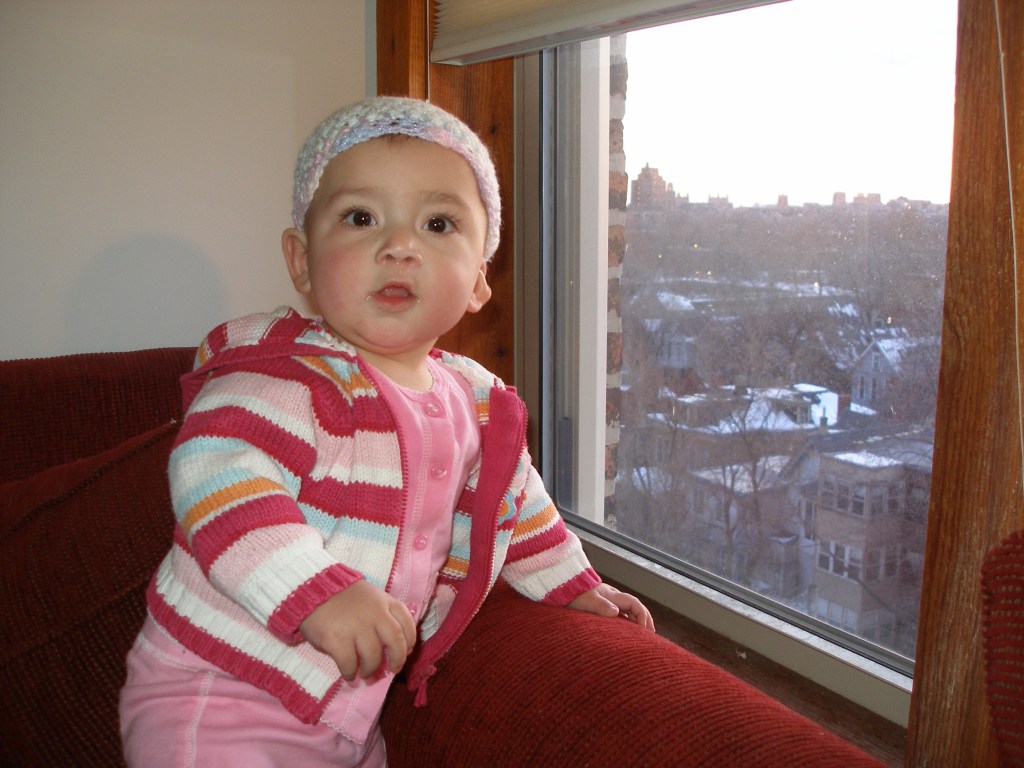
Dawn, age 10 months

And that goes for the biological kids that we might have had. Would they have looked more like me or like Ron? Would they have inherited any of our talents? Would they have had birth defects or disabilities? Would we have been able to raise them more easily, or would we have stifled them with expectations? What would it have been like to be a family that did all look like each other—that didn’t have to explain—that enjoyed privileges that so many families don’t even realize they have? Again, I will never know, and these things too I grieved.

OLYMPUS DIGITAL CAMERA

Then again, who would we have been, had we not been so shaped by this process and by our actual (and amazing—just slipping that in here) family? Ron mused the other day that he might even be back on the square of wondering what the Black Lives Matter fuss was about. Perhaps a version of himself in an alternate universe is sipping cognac with other law partners (because that’s what they do, right?) and having a purely theoretical discussion about the ontological implications of BLM rhetoric before leaving the office for his biological daughter’s ballet recital. (Insert eye roll.) He likes to say that, if there were some metaphysical “best possible lives” contest, he won it—his actual current life is the best one he can imagine.

I don’t know if he didn’t experience grief or if he just moved through the stages to acceptance and meaning faster than I did. Heck, I didn’t even know meaning was a stage until earlier this year (see David Kessler’s work at http://www.grief.com). Back when we were in the messy and drawn-out adoption process, I didn’t recognize my own grief, didn’t know how to explain what I was feeling, didn’t even know there was a process. Thankfully, I do now.

Depression

Written by Danelle Henden. Depression is like being in the middle of the ocean. You try your hardest to swim out of it, but it never feels like you have made it anywhere.

I’ve dealt with depression since I was a child. It has a revolving door entry into my life. When I became pregnant, I was already dealing with one of the lowest moments of my life. I had been on academic probation because I wasn’t doing well, but I didn’t change my major. I met the twins’ father during this low point, and at that point, I just wanted a win. I wanted to feel loved, and I wanted to feel like I could succeed at something. However, obviously this was not the best situation for me, and it left me pregnant, lonely, and more depressed.

From the fourth grade on, I had wanted twins. I even wrote out their names – and there I was, pregnant with twins. Except I had no money, no job, no degree, no house, no care, and no positive outlooks on life at that time.

I was not prepared to speak light into these kids’ life when all my outlooks were covered in darkness and negativity.

OLYMPUS DIGITAL CAMERA

Most hard decisions come with a lot of mixed emotions, and deciding to place is no different. I felt trepidation, anxiety, grief, love, and an all-encompassing sadness. However, I decided what I had at that moment vs. what I felt my children deserved did not match.

Placing is one of the most difficult experiences to go through. I sobbed – absolutely sobbed – when I was face to face with two separate release forms to sign away my rights.

However, with each downward spiral, you get an upswing after. My upswing was finding a family that wanted me included in their family. It was seeing the smiles on the twins’ faces when I showed up. It is looking in their little faces and knowing I made the right decision.

I can finally smile without sadness about my situation.

Almost despairing

She’s a natural. No, really.

For a couple years, our Saturday mornings were all about hip hop dance. Ron and I would take turns (depending on whatever else was going on) taking the kids to classes at Supreme Dance Studio, where I looked forward to seeing my kids enjoy a serious workout while gaining some great skills and a bit of finesse. I also looked forward to chatting with other grown-ups, especially another mom of a transracial adoptee. This mom had gone with an international adoption, she confided, because she needed more certainty in the process: there were set forms and fees, a certain amount of time before getting approval and filling out more forms, etc. She needed to know, in short, how long she’d be waiting.

I could understand. The uncertainty of domestic adoption is not for everyone. In fact, I’m kind of surprised any of us make it through the process unscarred. From the time that we completed our trainings, evaluations, forms, payments, etc., until we held Dawn in our arms was actually only four or five months. It felt like decades.

Initially, it was an emotional rollercoaster of epic proportions. To say that I cried every day is maybe an exaggeration, but only a slight one. Before our portfolio was shown to a prospective birthparent, we were told some basic facts about the situation and asked whether we wanted to be considered. We said yes every time – only to be told no, they had gone with someone else or decided to leave the program altogether.

As any new parent knows, I was an idiot. I should’ve been out living it up, packing in late-night concerts and shows, exploring the jazz clubs and all-night diners, in every corner of the city. Instead, after a dizzying rush to finish and defend my dissertation, I found myself in a kind of existential freefall. I applied for jobs but didn’t get interviews. I couldn’t even get volunteer organizations to call me back. I had too much time on my hands and no direction, which is a very weird place to be weeks before graduating with a doctorate. And as a result, all I could think about was the baby we couldn’t plan for.

It became harder and harder to get out of bed, to make a shopping list, to pay bills. Uncertainty and vagueness swallowed up my days, and crying was almost the only thing that helped. Ron’s unfailing optimism didn’t comprehend what I was experiencing, but he was patient and pulled us through to that amazing moment when our adoption counselor said, “She wants to meet you.”

A six-hour drive for a maybe? You bet!

2010

Ron very much wanted more kids and so, shortly after Dawn’s second birthday, we opened our search again. This was in 2010, and the adoption landscape had begun its radical transformation. There weren’t many birthparents choosing adoption, at least not through our agency. Our new counselor encouraged us to put up an online portfolio, but we were uncomfortable with the whole idea. This time, it was Ron who started to feel the despair. While my friends sent me encouraging articles about raising an only child, Ron became somewhat despondent, unwilling to concede his dream of a big, boisterous family but also feeling increasingly unable to make it happen. This sense worsened when, after meeting with a birthmom whose expected mixed-race baby seemed a perfect sister for our Dawn, she decided against us.

And then, on the Winter Solstice of 2010, a single phone call changed everything.

Choices

Written by Danelle Henden. When I was 9 or 10 years old, I wanted twins and I had the names picked out – the first name and the middle name but no last name as of yet. It is funny how life plays out. When I found out I was pregnant, I thought it was God’s idea of a cruel joke. I got exactly what I asked for when I was 9 but at a time when I couldn’t take care of them. I felt like a failure (I still do at times).

Almost one year old!

When you have to decide whose Ideals and morals will be the guiding force on how your child turns out, it’s one of the hardest decisions that could be made. However, as a birth mother I didn’t really get a long time to decide on what I wanted. I had very strong beliefs on a few things. I needed the family to believe in God, I needed it to be a two-parent household, and I needed them to be open to open adoption.

August 2020

Since I didn’t know that I was truly pregnant till around 22 to 23 weeks (as I was still getting a cycle, plus I had a week or two of denial as I felt things moving and kicking in there), I put it off but I finally went to a doctor. It took a few weeks to comprehend, then get connected with an agency once I made my choice to do adoption. I went into labor at about 30 weeks or so, which left me in the hospital picking portfolios.

I knew what my hard no’s were, and I was preparing myself to have to take these babies home as I refused to have them in the system. The social worker showed me 2 portfolios of families who wanted open adoption. I couldn’t hardly read them through my tears – I just prayed and looked at the photos. I told my social worker, “I just want to see the kids sometimes.” She took one portfolio back and said the Lundeens will be perfect.

Dusk on the Pacific, August 2020

Best decision ever!

Choosing to be chosen

Nothing kills a conversation quite like the topic of infertility, at least in my experience. Well-meaning but nosy older relative: “So why are you putting off having kids?” Me: “Actually, I had surgery for an ovarian cyst a couple months ago and…” Result: silence.

I learned pretty quickly to substitute this response: “Well, Ron and I haven’t quite figured out that sex thing yet.”

Alaska 2007

The experience of infertility lets you know, in no uncertain terms, that you don’t always get to choose how your life unfolds. Choices that you took for granted might not be options at all. When it became clear that several thousand dollars and at least two surgeries stood between us and a possible pregnancy, we decided to pursue adoption instead.

Far from being a final choice, that was just the start of a whole labyrinth of further decisions. Domestic or international? If domestic, foster or private? If private, which agency—or no agency? Infant or older? Single or siblings? Open or closed? Interracial? Disabled?

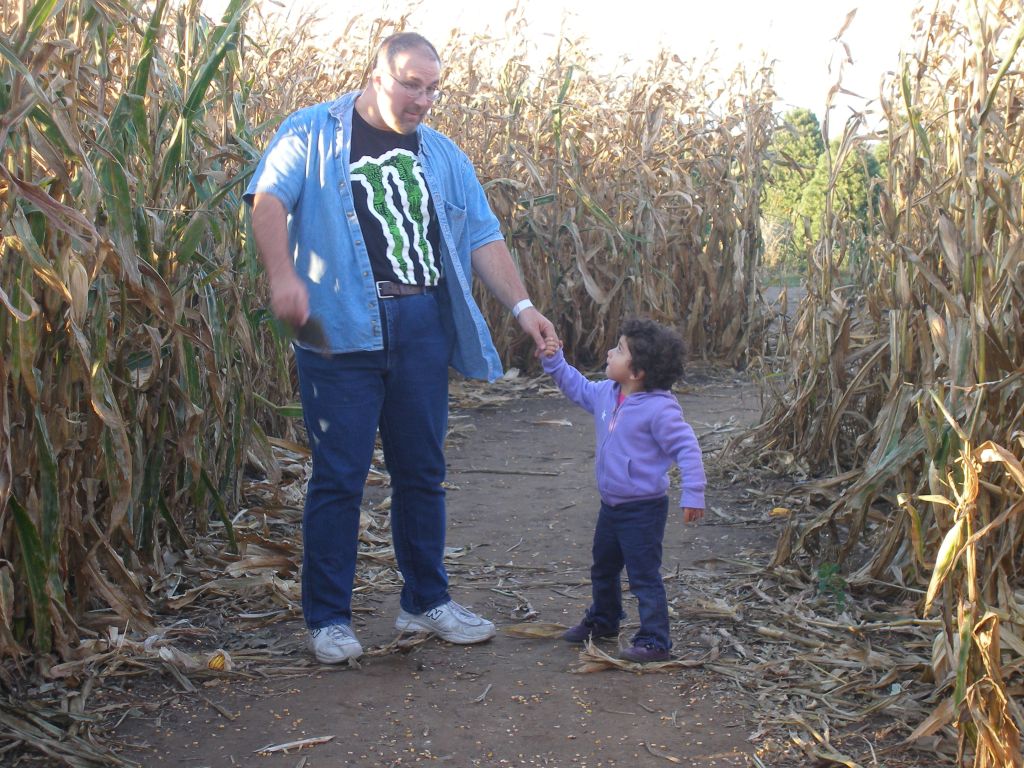
Corn maze!

Some of these decisions were easy: either one of us had a firm opinion that the other didn’t oppose, or we somehow already agreed. Ron very much wanted an infant, as close to birth as possible, and that desire made other choices for us. Primarily, it determined that we should go with a domestic adoption. Another easy decision for us was which genders and races we would consider. Ron and I were on the same page here—the answer was any! It didn’t seem right to us to judge a baby based on either of these factors. (Looking back, I realize that we were naïve, and deeply privileged, to think that it didn’t matter, because we can’t fully comprehend what our kids experience in growing up non-white and with relatively clueless white parents to boot. But that understanding wouldn’t have changed our response.)

Other choices caused days of debate and soul-searching. I was hurt by Ron’s refusal to consider a disabled child, for example, given the fact that I was a disabled child myself and that disability can happen anytime to anyone. For his part, Ron didn’t understand why I wanted an open adoption. He hadn’t talked to as many adoptees, nor did he have that felt sense that a mother should be allowed to see her child, no matter the circumstances. Fortunately, he came around on that one.

But, again, we weren’t really in the driver’s seat. Our choices would only get us so far. At the time—namely, 2007—domestic infant adoption was expensive and unpredictable. We did our part: medical and psychological evaluations, background checks, parent trainings, home inspections. We put together a portfolio with about a dozen pages of pictures and a page where we tried to sound exciting and full of adventure, rather than old and desperate.

And we waited. Our fate was out of our hands—which is a totally dramatic overstatement, but one that is somehow totally accurate, too.

Somebody in your corner

Written by Danelle Henden. One of the most consistent questions I get, once I tell someone my story, is, “Did you have any support?” The answer… Not really! I was totally in the closet about my pregnancy. I was very fearful of people’s opinions of me if they found out. I was a first-generation college student, and everyone had high hopes for me. Everyone expected me to go places, and here I was staring at being a statistic. I wasn’t going to finish college — I had no degree, no job, no car, and no place to live. So it was back with my mom. I managed to hide my pregnancy from a mother, from my friends, and from all my family.

I finally broke down and told one of my closest friends, Whitney. The amusing thing (but not really) about it is, the day after I told her, my water broke. As someone who went through all of my pregnancy without any real support, I can testify that it is immensely important to have somebody in your corner, if only just to listen to you. I neglected to do that for myself. I can say that pregnancy was one of the worst moments of my life. It’s like I put myself on a boat with no paddles and I expected to travel. However, obviously, I didn’t get very far.

After I told Whitney, she came to the hospital to see me the next day. She reacted as I thought she would — she was very shocked and surprised but supportive nonetheless.

When I gave birth the next day (two days after being admitted) at 5 in the morning, there was no one there with me in the hospital. It’s a bit terrifying after the fact. I remember the chill that I had after having the babies as the doctors tried to staunch the blood loss. I remember my eyes felt so heavy that I can hardly remember the blood transfusion that was necessary. It’s scary to think I could have been gone from this world and only one person would have known to inform my family. To think, if I’d waited any longer to tell her, no one would have known.

I say all this to say: it’s okay to ask for help! It’s okay to ask a loved one or friend for support! It is okay and it is necessary to have someone in your corner. Doing everything alone is just contrary to who we are as humans. We are social creatures, we desire other people in our lives, and we need their support.

I learned that the hard way, and I’m writing it down so maybe someone else doesn’t have to.

A few months later….

/